
 by
by Walk into any chemist, any supermarket, and the shelves groan under the weight of labels screaming “natural”, “organic”, or—if truly ambitious—“purest you”.
Modern self-care’s a bewildering carousel, spinning shoppers dizzy.
The immediate assumption lands like a stone in the middle of all this packaging: does it matter where all these balms, creams, and tinctures come from?
Some would have everyone believe that as long as it smells faintly of lavender and isn’t outright green slime, it’s serviceable. But let’s untangle this mess.
There’s more at play than meets the eye—or nose.
Why the Source of Your Self-Care Products Matters?
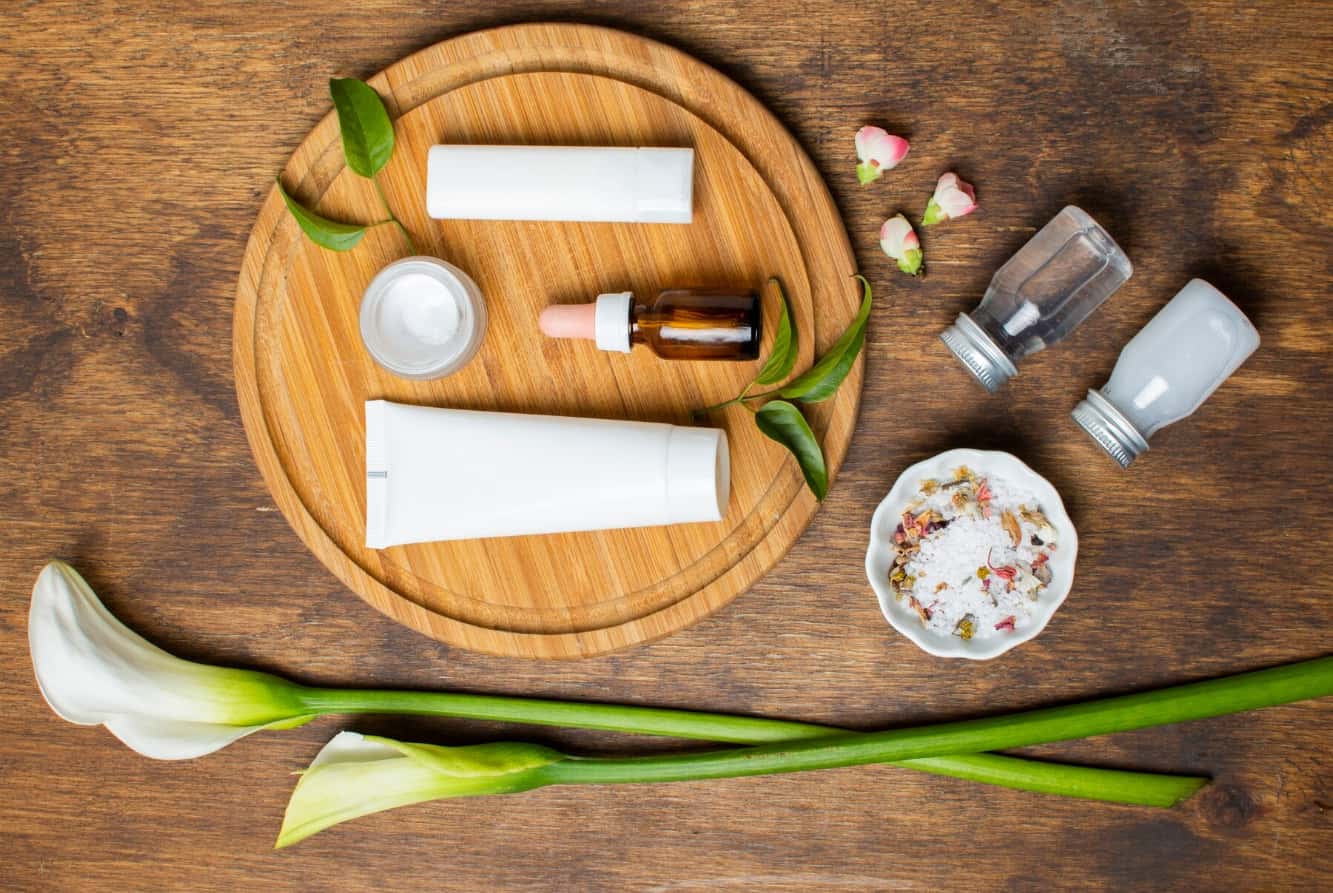
Transparency in the Wellness Aisle
Mysterious ingredient lists: always on the back label, promising miracles but obscure origins. Companies like One Farm take a different approach.
These brands go granular, unlike items with nebulous origin stories, such as unicorns gathering berries under a gibbous moon.
From USDA-certified organic hemp farmed in Colorado to sourcing components from farms with similar values, traceability becomes a philosophy.
Transparency helps people who are tired of wondering what they’re applying to their skin or swallowing become trusting.
Purity Isn’t Just for Monasteries
Let’s talk purity; not floating-on-a-cloud purity but nuts-and-bolts clean formulations stripped of unnecessary rubbish.
When products stem from reputable sources—farms working in unison with nature rather than bulldozing through it—the result is less about marketing fluff and more about fewer contaminants clinging on like barnacles.
Pesticides? Heavy metals? No, thank you. This isn’t fear mongering; rather, it’s reality-checking. What sits above ground gets soaked up below ground, too.
So choosing origins that prioritize soil health and sustainable farming isn’t just virtuous posturing; it has real consequences for what ends up on your face or in your body.
Social Impact Hiding Beneath That Slick Bottle
A glossy moisturiser could spell doom for an overseas community if made carelessly; conversely, humble packaging could underpin fair wages and decent livelihoods somewhere off-grid—a fact rarely shouted about by big brands busy chasing margins over meaning.
Ethical sourcing means there are actual fingers behind your facial serum that benefit tangibly from transparent supply chains.
And yes, everyone loves a bargain—but sometimes cheapness abroad translates to exploitation at home for someone else.
CBD: Potential Without Illusion
The origins matter doubly when cannabinoids enter the market, especially with CBD oils and skincare proliferating across lifestyles lately, much like urban foxes at midnight bins.
Some people find that high-quality CBD may offer potential benefits for anxiety or inflammation, but researchers are still unravelling how much hinges on source integrity: quality extraction methods mean cleaner outcomes with fewer side effects cropping up unexpectedly after use (they can exist—let’s not pretend otherwise).
Sourcing is no trivial footnote when consumers want reliability instead of roulette-spin experiences.
Conclusion
Here stands an unavoidable truth, buried beneath all those trending hashtags: provenance deserves more respect than it usually receives in self-care discussions.
Not simply for ethical box-ticking or fleeting eco-chic mood swings either—but as an anchor for trustworthiness, product safety, and even broader impacts unseen by most hands opening a lotion jar each morning.
Next time temptation strikes, bright-lidded rows of promises lining tiled shop walls: look past the gloss and sniff out where it all started.
