
 by
by CNC machining in healthcare represents the intersection of cutting-edge manufacturing technology and life-saving medical innovation.
CNC (Computer Numerical Control) machining uses computer-controlled tools to create medical components with extraordinary precision, often measuring accuracy in thousandths of an inch.
In healthcare, where a single millimeter can mean the difference between successful treatment and complications, this level of precision isn’t just beneficial – it’s life-saving.
How CNC Machining Transforms Healthcare with Life-Saving Precision?
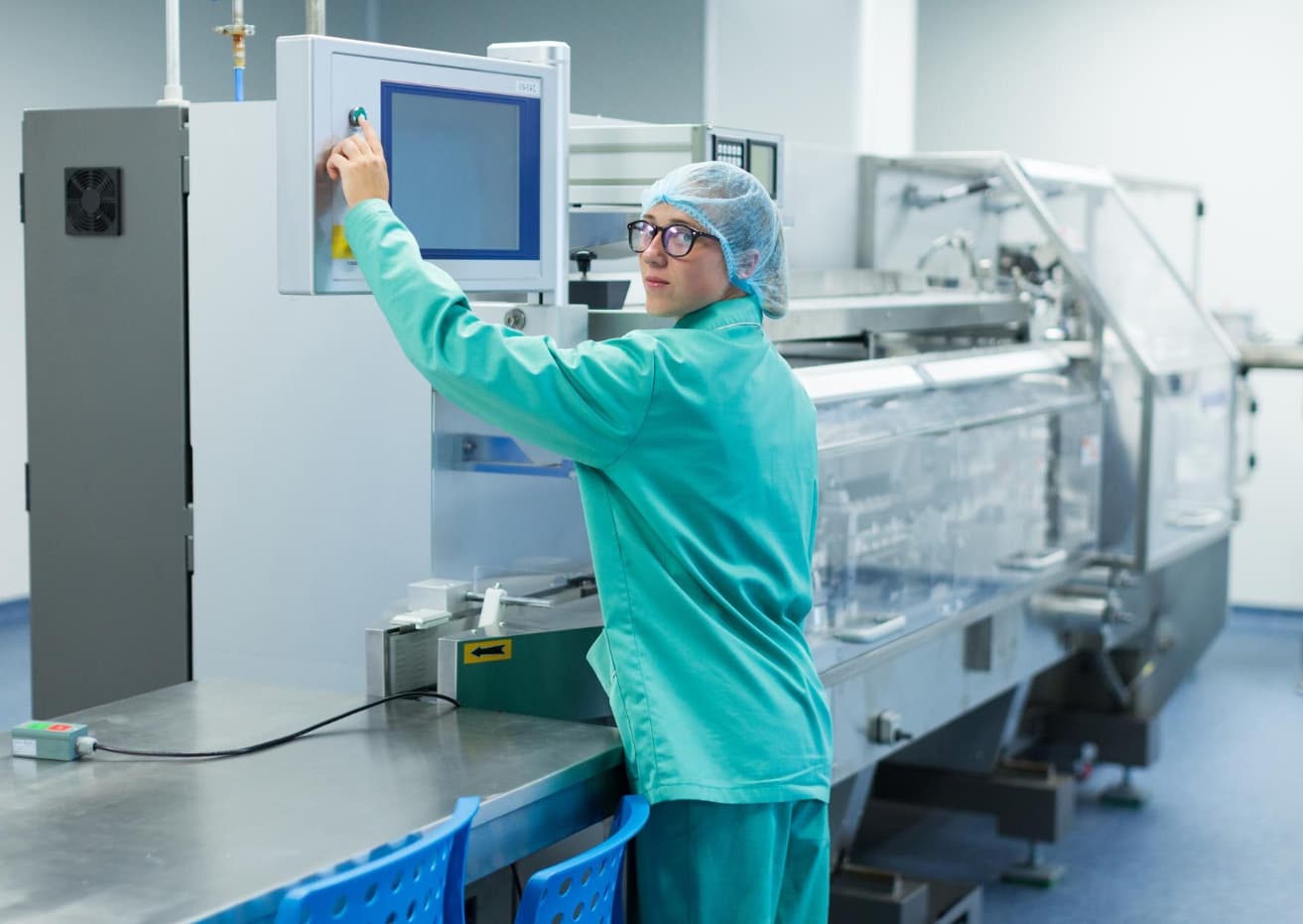
From surgical instruments that must perform flawlessly during critical operations to custom prosthetics that restore mobility and dignity, CNC machining has become the backbone of modern medical manufacturing.
Why precision matters in healthcare manufacturing:
- Patient safety: Exact specifications prevent device failures during critical procedures
- Biocompatibility: Precise surface finishes reduce infection risks and improve healing
- Functional accuracy: Components must fit and operate perfectly within the human body
- Regulatory compliance: Medical devices require strict adherence to dimensional standards
- Reproducibility: Every device must perform identically to ensure consistent patient outcomes
CNC Machining in Surgical Tool Manufacturing
Surgical instruments demand absolute precision and reliability, qualities that CNC machining delivers consistently.
Modern operating rooms depend on tools manufactured to exact specifications, where even microscopic variations can affect surgical outcomes.
The manufacturing of surgical tools must comply with stringent regulations established by governing bodies, and FDA medical device regulations
CNC machining enables manufacturers to consistently meet these demanding requirements while maintaining cost-effectiveness.
Key advantages of surgical instruments:
- Consistent edge geometry: Scalpels and cutting tools maintain sharp, precise edges
- Perfect instrument alignment: Forceps and clamps close with exact pressure distribution
- Surface finish quality: Smooth finishes prevent tissue damage and reduce cleaning time
- Dimensional accuracy: Instruments fit perfectly with other surgical components
- Material optimization: Works with medical-grade stainless steel, titanium, and ceramics
Common CNC-manufactured surgical tools:
- Orthopedic implants: Hip and knee replacements with precise bearing surfaces
- Microsurgical instruments: Tiny tools for eye and brain surgery requiring extreme precision
- Dental instruments: Precise cutting tools and implant components
- Cardiovascular devices: Heart valve components and stent manufacturing tools
Custom Prosthetics & Implants
CNC machining has revolutionized prosthetics manufacturing by enabling true customization at reasonable costs.
Traditional prosthetics often required extensive fitting adjustments and multiple appointments, but CNC technology allows for precise manufacturing based on individual patient measurements.
Today, healthcare innovators depend on CNC Machining to deliver medical tools and devices with unmatched precision and reliability.
This technology enables the creation of prosthetics that fit perfectly from the first fitting, dramatically improving patient comfort and reducing adaptation time.
Benefits of CNC-manufactured prosthetics:
- Perfect fit: Components machined to exact patient measurements
- Reduced manufacturing time: Custom prosthetics completed in days, not weeks
- Superior materials: Works with advanced titanium alloys and medical-grade polymers
- Complex geometries: Creates internal structures impossible with traditional methods
- Cost effectiveness: Eliminates expensive tooling for custom components
Advanced materials used in CNC prosthetics:
- Titanium alloys: Lightweight, biocompatible, and corrosion-resistant
- Medical-grade PEEK: High-strength polymer with bone-like flexibility
- Cobalt-chromium: Durable alloy for load-bearing joint replacements
- Zirconia ceramics: Ultra-smooth surfaces for joint articulation
- Carbon fiber composites: Lightweight materials for active prosthetics
Life-Saving Medical Device Components
Medical devices often consist of numerous precision components that must work together flawlessly.
CNC machining enables the production of these critical components with the accuracy and consistency required for life-supporting equipment.
Research published in peer-reviewed medical journals, including studies available through the National Center for Biotechnology Information, demonstrates how precision manufacturing directly correlates with improved patient outcomes and reduced device failure rates.
These studies highlight the critical importance of manufacturing accuracy in medical device reliability.
Critical medical device components:
- Pacemaker housings: Hermetically sealed cases protecting life-sustaining electronics
- Insulin pump components: Precise dosing mechanisms for diabetes management
- Ventilator parts: Critical components for respiratory support systems
- Dialysis machine components: Filtration systems requiring exact flow characteristics
- Imaging equipment parts: Precision components for MRI and CT scanner mechanisms
Safety and quality standards:
- ISO 13485: International standard for medical device quality management
- Biocompatibility testing: Materials must not cause adverse biological reactions
- Sterilization compatibility: Components must withstand repeated sterilization cycles
- Traceability requirements: Complete documentation of manufacturing processes
- Failure mode analysis: Rigorous testing to prevent catastrophic device failures
Comparison: CNC vs. Traditional Manufacturing in Healthcare
| Feature/Benefit | CNC Machining | Traditional Manufacturing |
|---|---|---|
| Precision Tolerance | ±0.01 mm | ±0.5 mm |
| Material Variety | High | Limited |
| Sterilization Quality | Excellent | Moderate |
| Customization Speed | Fast | Slow |
| Surface Finish | Superior | Variable |
| Batch Consistency | Perfect | Good |
| Complex Geometries | Excellent | Restricted |
| Regulatory Compliance | Streamlined | Complex |
The Future of CNC in Healthcare
The integration of artificial intelligence and machine learning with CNC machining promises even greater advances in medical manufacturing.
Smart manufacturing systems can now predict and prevent defects before they occur, ensuring even higher quality standards for medical devices.
On-demand manufacturing represents another revolutionary development, enabling hospitals to produce certain medical components locally when needed.
This capability could prove invaluable during supply chain disruptions or emergencies requiring immediate access to specialized equipment.
Emerging technologies shaping healthcare manufacturing:
- AI-driven quality control: Real-time monitoring prevents defects during production
- Additive manufacturing integration: Combining 3D printing with CNC for complex devices
- IoT-enabled machines: Connected equipment provides continuous performance data
- Predictive maintenance: Prevents manufacturing delays by anticipating equipment needs
- Digital twins: Virtual models optimize manufacturing processes before production
Personalized medicine applications:
- Patient-specific implants: Devices designed from individual medical imaging data
- Customized drug delivery systems: Personalized dosing mechanisms
- Bioprinting integration: CNC-machined scaffolds for tissue engineering
- Genetic therapy tools: Precision devices for targeted treatment delivery
- Rehabilitation equipment: Custom devices for individual recovery needs
Frequently Asked Questions
- How does CNC machining improve patient safety in medical devices?
CNC machining provides unmatched precision and consistency, ensuring medical devices perform exactly as designed. This reliability prevents device failures during critical procedures and reduces the risk of complications, directly improving patient safety and treatment outcomes.
- What makes CNC machining suitable for custom prosthetics?
CNC machines can create unique components based on individual patient measurements without expensive tooling or setup costs. This capability enables truly personalized prosthetics that fit perfectly from the first fitting, dramatically improving patient comfort and reducing adaptation time.
- Can CNC machining work with all medical-grade materials?
Yes, modern CNC machines can process virtually all medical-grade materials, including titanium alloys, stainless steel, medical polymers, ceramics, and advanced composites. This versatility allows engineers to select the optimal material for each specific medical application.
- How does CNC machining help with medical device regulatory compliance?
CNC machining provides exceptional dimensional accuracy and consistency, making it easier for manufacturers to meet strict regulatory requirements. The technology’s precision and traceability features help ensure compliance with FDA, ISO, and other international medical device standards.
Conclusion:
CNC machining has fundamentally transformed healthcare manufacturing, enabling the production of medical devices and equipment that save lives daily.
The technology’s precision, reliability, and versatility make it indispensable for modern medical care.
Key impact areas:
- Enhanced patient safety: Precision manufacturing reduces device failure risks and improves outcomes
- Accelerated innovation: Rapid prototyping enables faster development of life-saving technologies
- Cost-effective customization: Personalized medical devices become accessible to more patients
- Regulatory compliance: Consistent quality helps manufacturers meet strict medical device standards
- Global healthcare access: Efficient manufacturing makes advanced medical devices more widely available
- Future potential: Emerging technologies promise even greater capabilities for precision medicine
The continued evolution of CNC machining technology will undoubtedly lead to even more sophisticated medical devices, ultimately improving healthcare outcomes and saving more lives worldwide.


