
 by
by Walk into any Starbucks, and you’ll see people happily sipping their favorite drinks. But how many actually know what’s inside that cup?
Most of us order based on taste, not nutrition. We grab our usual Grande Caramel Macchiato without thinking twice about what we’re putting in our bodies.
Here’s the reality: some Starbucks drinks contain more calories than a full meal. Others pack enough sugar to exceed your entire daily recommended intake. But don’t panic – knowledge is power.
When you understand what’s really in your drink, you can make smarter choices. You can still enjoy Starbucks while supporting your health goals.
Starbucks Nutrition Explained
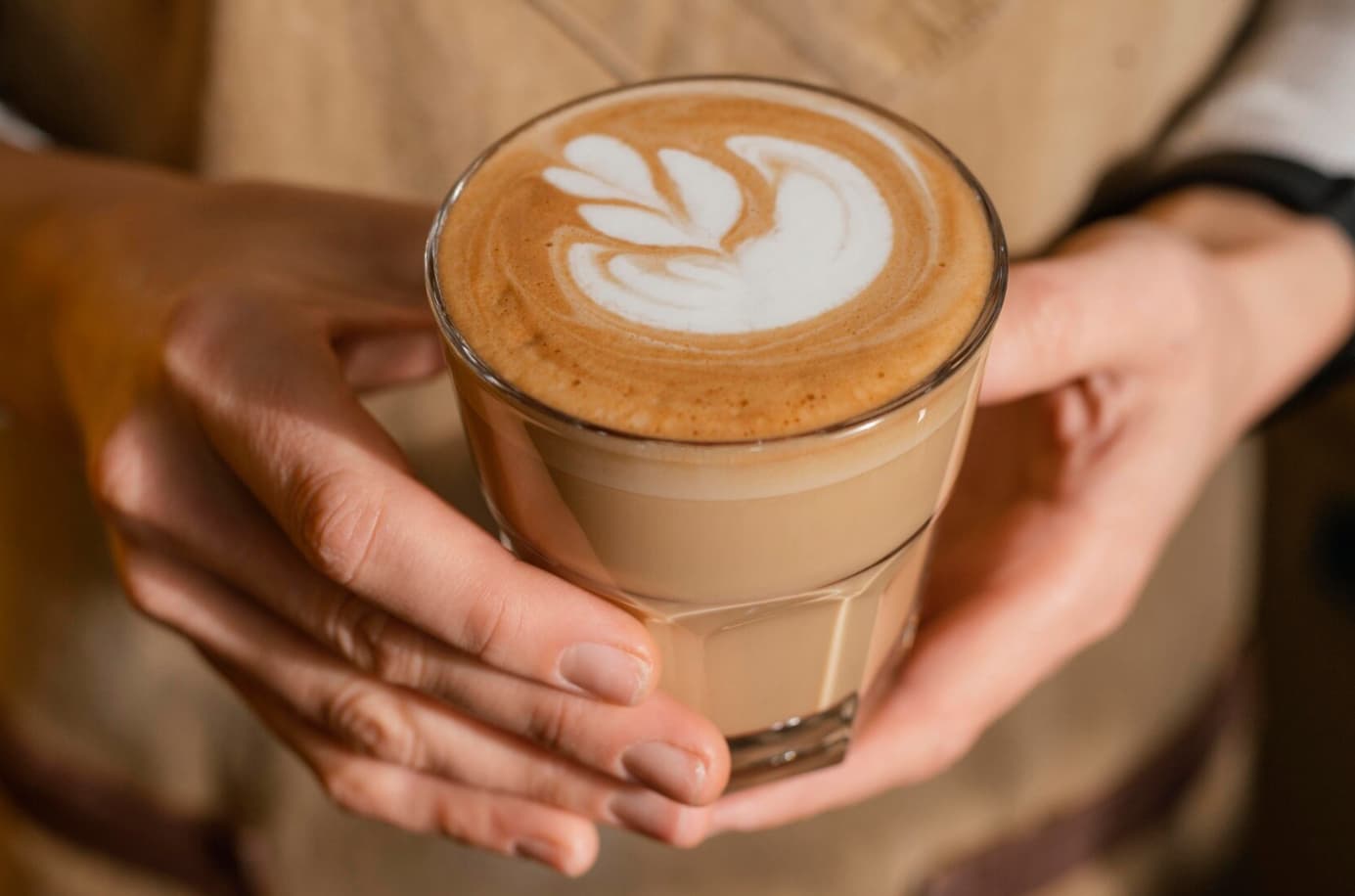
This guide breaks down everything you need to know about Starbucks nutrition. No confusing jargon, just straight facts that help you order with confidence.
What’s Inside Your Starbucks Drink (The Full Breakdown)
Let’s start with the basics. Every Starbucks drink contains four main nutritional components you should care about.
- Calories: Your Energy Currency:
Calories measure how much energy your drink provides. A typical specialty drink ranges from 150-600 calories per serving.
To put this in perspective, a moderately active woman needs about 2000 calories per day. One venti Frappuccino could use up 25% of that allowance.
- Sugar: The Sweet Problem:
Sugar content varies wildly at Starbucks. A plain coffee has zero grams, while some Frappuccinos contain over 80 grams.
The American Heart Association recommends a maximum of 25 grams of added sugar daily for women and 36 grams for men. Many Starbucks drinks exceed this in a single serving.
- Fat: Not All Bad, But Know the Source:
Most fat in Starbucks drinks comes from milk, whipped cream, and flavored sauces. Whole milk adds saturated fat, while nuts and seeds provide healthy fats.
The key is understanding which fats support your health and which ones you should limit.
- Protein: The Muscle Builder:
Coffee itself has minimal protein, but milk adds some. A grande latte with 2% milk provides about 12 grams of protein.
If you’re using Starbucks as part of your fitness routine, protein content becomes much more important.
- Caffeine: The Energy Boost:
Most people choose coffee for caffeine, but amounts vary significantly. A shot of espresso contains 75mg, while a venti Pike Place Roast has 410mg.
Too much caffeine can cause jitters, anxiety, and sleep problems. The FDA recommends staying under 400mg per day.
Common High-Calorie Drinks and Why They Add Up Fast
Some Starbucks drinks are secret calorie bombs. Here’s what makes them so high in calories and why they can derail healthy eating.
- Frappuccinos: The Biggest Offenders:
Frappuccinos combine coffee, milk, sugar, and often whipped cream into a blended treat. But they’re essentially coffee-flavored milkshakes.
A venti Caramel Ribbon Crunch Frappuccino contains 570 calories and 85 grams of sugar. That’s more sugar than two cans of Coca-Cola!
The problem isn’t just the base ingredients. It’s the add-ons: whipped cream (100+ calories), caramel drizzle (60+ calories), and large serving sizes.
- Holiday and Seasonal Drinks:
Pumpkin Spice Lattes, Peppermint Mochas, and other seasonal favorites are loaded with flavored syrups and whipped cream.
These drinks feel special, so we justify the indulgence. But a venti Peppermint Mocha with whipped cream packs 560 calories and 63 grams of sugar.
- Macchiatos and Flavored Lattes:
Even drinks that sound sophisticated can be nutritional nightmares. A venti Iced Caramel Macchiato contains 350 calories and 42 grams of sugar.
The caramel sauce alone adds 60 calories and 10 grams of sugar to any drink. Multiply that by multiple pumps, and calories skyrocket.
- Hot Chocolate and White Mochas:
These aren’t coffee drinks – they’re desserts in disguise. A grande White Chocolate Mocha contains 430 calories and 53 grams of sugar.
Hot chocolate made with 2% milk and whipped cream delivers 400 calories per grande serving. That’s equivalent to eating a small meal.
Smart Swaps (Small Changes, Big Impact)
The good news? You don’t need to give up Starbucks entirely. Smart substitutions can cut calories and sugar dramatically while keeping great taste.
Milk Choices That Matter:
Your milk choice impacts both calories and nutrition significantly.
Here’s how different milks compare in a grande latte:
- Whole milk: 220 calories, 11g fat
- 2% milk: 190 calories, 7g fat
- Non-fat milk: 130 calories, 0g fat
- Almond milk: 80 calories, 3g fat
- Coconut milk: 80 calories, 5g fat
- Oat milk: 140 calories, 3g fat
Switching from whole milk to almond milk saves 140 calories per drink. That’s 700 calories per week if you drink one daily!
Syrup Solutions:
Regular syrups are pure sugar – each pump adds about 20 calories and 5 grams of sugar.
Sugar-free syrups give you flavor without calories. Available options include vanilla, caramel, cinnamon dolce, and hazelnut.
You can also ask for half the normal pumps. A grande drink typically gets 4 pumps – asking for 2 cuts sugar in half while maintaining good flavor.
Size Strategies:
Sizing down is the easiest way to control calories. Moving from venti to grande typically saves 150-200 calories.
Here’s why size matters so much:
- Tall (12 oz): 3 syrup pumps
- Grande (16 oz): 4 syrup pumps
- Venti hot (20 oz): 5 syrup pumps
- Venti cold (24 oz): 6 syrup pumps
More size equals more syrup, milk, and calories automatically.
Skip the Extras:
Whipped cream adds 100+ calories to any drink. Java chips contribute another 50 calories plus artificial ingredients.
Extra shots of espresso, on the other hand, add only 5 calories while boosting caffeine and flavor significantly.
If you want to see the exact calories, sugar, or protein in your favorite Starbucks drink, try the Starbucks Nutrition Calculator. It’s the easiest way to plan your order to match your health goals.
Comparing Popular Drinks (The Truth About Your Favorites)
Let’s look at real numbers. This table shows how popular drinks stack up against healthier alternatives:
| Drink Name | Calories | Sugar (g) | Healthier Alternative |
|---|---|---|---|
| Venti Caramel Frappuccino | 510 | 69 | Iced Coffee + Almond Milk + Sugar-Free Caramel |
| Grande Pumpkin Spice Latte | 380 | 50 | Pike Place + Non-Fat Milk + Pumpkin Pie Spice |
| Venti White Chocolate Mocha | 580 | 76 | Americano + Splash of Non-Fat Milk + Stevia |
| Grande Java Chip Frappuccino | 440 | 63 | Cold Brew + Unsweetened Almond Milk + Cocoa Powder |
| Venti Chai Tea Latte | 350 | 50 | Chai Tea Bag + Unsweetened Oat Milk + Cinnamon |
The differences are shocking, aren’t they? Simple swaps can save 300-400 calories per drink.
What These Numbers Really Mean:
To burn off a 510-calorie Caramel Frappuccino, you’d need to:
- Walk for 90 minutes
- Run for 45 minutes
- Bike for 60 minutes
Those calories add up fast when you drink specialty beverages regularly.
Healthiest Drink and Food Choices at Starbucks
Not everything at Starbucks will sabotage your health. Many options actually support your wellness goals.
Best Drink Options:
These drinks provide energy without excess calories or sugar:
- Black Coffee (Pike Place, Dark Roast)
- 5 calories per Grande
- Zero sugar
- High in antioxidants
- Americano
- 15 calories per Grande
- Pure espresso and water
- Strong coffee flavor without milk
- Cold Brew
- 5 calories per Grande
- Naturally sweet and smooth
- Higher caffeine than regular coffee
- Green Tea
- 0 calories
- Packed with healthy antioxidants
- Natural energy boost
- Unsweetened Iced Tea
- 0 calories
- Available in multiple flavors
- Refreshing and hydrating
Smart Food Choices:
Starbucks’ food can either support or sabotage healthy eating habits.
High-Protein Winners:
- Egg White & Red Pepper Sous Vide Egg Bites (170 calories, 13g protein)
- Turkey Bacon and Egg White Sandwich (230 calories, 18g protein)
- Protein Boxes with nuts and cheese (various options, 300-400 calories)
Fiber-Rich Options:
- Steel Cut Oatmeal with nuts (160 calories, 4g fiber)
- Spinach, Feta & Egg White Wrap (290 calories, 6g fiber)
- Apple slices with almond butter (200 calories, 4g fiber)
What to Avoid:
- Pastries and muffins (400-500+ calories each)
- Cake pops (150-200 calories of pure sugar)
- Breakfast sandwiches on croissants (high in saturated fat)
The rule of thumb: choose options with protein and fiber while avoiding items that are essentially desserts.
Starbucks and Fitness – How Athletes Can Make It Work
Think Starbucks can’t fit into a fitness lifestyle? Think again. With smart choices, it can actually support your training goals.
Pre-Workout Fuel:
Coffee before exercise can improve performance significantly. Studies show caffeine boosts endurance and strength when consumed 30-45 minutes before training.
Best pre-workout Starbucks options:
- Black coffee or Americano for pure caffeine
- Cold brew for sustained energy
- Green tea for a gentler boost
Avoid milk-based drinks before workouts – they can cause stomach discomfort during exercise.
Post-Workout Recovery:
After training, your body needs protein and carbohydrates to recover properly.
Smart post-workout choices:
- Protein boxes for muscle repair
- Chocolate milk (surprisingly effective for recovery)
- Greek yogurt parfait with berries
- Egg bites for high-quality protein
Hydration Helpers:
Don’t forget about hydration. Coffee is mildly diuretic, meaning it can increase fluid loss.
Balance your coffee intake with water or herbal teas. Starbucks refreshers (diluted with extra water) can provide hydration plus light electrolytes.
Competition Day Strategy:
Athletes competing should avoid trying new drinks on event days. Stick to familiar options that won’t upset your stomach.
Simple choices work best: black coffee, plain tea, or water. Save the fancy drinks for a celebration after your event.
How to Track Nutrition More Easily?
Knowing nutrition facts is great, but tracking them consistently makes the real difference in reaching health goals.
Use Technology to Your Advantage:
The Starbucks app shows basic nutrition info for every menu item. You can see calories, sugar, and other key nutrients before ordering.
But the app only shows standard recipes. When you customize drinks (different milk, fewer syrup pumps, no whip), the numbers change.
Read Menu Boards Carefully:
Starbucks displays calorie counts on menu boards, but these numbers often represent the smallest size with standard ingredients.
Your grande or venti drink likely contains significantly more calories than the posted number suggests.
Ask Your Barista:
Baristas know exactly what goes into each drink. Don’t hesitate to ask questions like:
- How many syrup pumps are in a grande?
- Can you make this with half the syrup?
- What’s the calorie difference between milk options?
Plan Before You Order:
Decide what you’ll order before entering the store. This prevents impulse decisions when you’re hungry or rushed.
Write down your go-to healthy orders so you always have a backup plan when new seasonal drinks tempt you.
Track Your Weekly Intake:
Instead of obsessing over single drinks, look at your weekly Starbucks consumption. If you drink coffee daily, small improvements add up significantly.
For example, switching from a 350-calorie latte to a 150-calorie version saves 1400 calories per week – equivalent to nearly half a pound of weight loss.
The Hidden Ingredients You Should Know About
Beyond basic nutrition facts, several hidden ingredients in Starbucks drinks deserve attention.
Artificial Sweeteners:
Sugar-free syrups contain artificial sweeteners like sucralose and acesulfame potassium. While calorie-free, some people experience digestive issues or headaches from these ingredients.
If artificial sweeteners bother you, try natural alternatives like stevia or monk fruit. You can ask baristas to add these instead.
Preservatives and Additives:
Many Starbucks sauces and syrups contain preservatives to maintain shelf life. Common additives include potassium sorbate and sodium benzoate.
These ingredients are generally safe but may cause reactions in sensitive individuals.
Natural vs. Artificial Flavors:
“Natural flavor” on Starbucks ingredients doesn’t necessarily mean healthier. Both natural and artificial flavors are chemically processed.
The main difference is the source – natural flavors come from plants or animals, while artificial flavors are created in labs.
Dairy Considerations:
Regular Starbucks milk comes from conventional dairy farms. If you prefer organic or grass-fed options, you’ll need to stick with plant-based alternatives.
Starbucks sources its dairy from suppliers who follow animal welfare standards, but specific farming practices vary by location.
Seasonal Drinks: Navigate Holiday Temptations
Holiday and seasonal drinks are Starbucks’ biggest nutrition challenges. These limited-time offerings often pack more calories and sugar than regular menu items.
Fall Favorites
Pumpkin Spice Lattes contain pumpkin spice sauce, not real pumpkin. The sauce adds significant calories and sugar without nutritional benefits.
A venti Pumpkin Spice Latte with whipped cream contains 470 calories and 52 grams of sugar. That’s more than some desserts!
Winter Warmers
Peppermint Mochas and Eggnog Lattes dominate winter menus. Both rely heavily on flavored sauces and whipped cream.
The eggnog used isn’t traditional homemade eggnog – it’s a commercial product with added stabilizers and preservatives.
Spring and Summer Specials
Lighter-sounding drinks like Pink Drinks and Dragon Drinks still contain significant sugar from fruit concentrates and added sweeteners.
Even “refreshing” options can pack 25-35 grams of sugar per grande serving.
Smart Seasonal Strategies
- Order seasonal drinks in tall sizes
- Ask for half the sauce or syrup
- Skip whipped cream
- Try seasonal spices (like pumpkin pie spice) in regular coffee instead
The Science Behind Coffee and Health
Understanding how coffee affects your body helps you make better choices about when and what to drink.
Caffeine Metabolism:
Your body processes caffeine at different rates based on genetics, age, and other factors. Most people metabolize caffeine within 6-8 hours.
Drinking coffee after 2 PM can interfere with sleep quality, even if you don’t feel immediately stimulated.
Antioxidant Benefits:
Plain coffee is one of the richest sources of antioxidants in the American diet. These compounds fight inflammation and may reduce disease risk.
However, adding sugar and cream can offset many of coffee’s health benefits by promoting inflammation and blood sugar spikes.
Blood Sugar Impact:
Sugary coffee drinks cause rapid blood sugar spikes followed by crashes. This roller coaster effect can trigger hunger, fatigue, and mood swings.
Protein and fiber help stabilize blood sugar. That’s why pairing coffee with a protein-rich snack often works better than drinking it alone.
Hydration Factors:
Contrary to popular belief, moderate coffee consumption doesn’t cause dehydration in regular coffee drinkers. Your body adapts to caffeine over time.
However, very high caffeine intake (500mg+) can have mild diuretic effects. Balance coffee with water throughout the day.
Customization Secrets: Order Like a Pro
Baristas can customize almost any drink to make it healthier. Here are insider tricks for getting exactly what you want.
Milk Modification Magic
- Ask for “extra hot” to get better foam with non-fat milk
- Request “no foam” if you want more actual beverage in your cup
- Try “half and half” mixing (like half almond milk, half coconut milk)
Syrup Strategies
- Standard pumps: Tall (3), Grande (4), Venti hot (5), Venti cold (6)
- Ask for “one pump” in any size for subtle sweetness
- Combine sugar-free and regular syrups for a balanced flavor
Temperature Tricks
- “Kids temp” for drinks that won’t burn your tongue
- “Extra hot” for milk-based drinks, you’ll drink slowly
- “Light ice” in cold drinks gives you more beverage
Foam Preferences
- “Dry cappuccino” = more foam, less milk, fewer calories
- “Wet cappuccino” = less foam, more milk
- “No foam” in lattes maximizes liquid volume
Understanding Starbucks Nutrition Labels
Starbucks provides nutrition information, but reading it correctly requires some knowledge.
Standard Recipe Assumptions:
Published nutrition facts assume:
- 2% milk (unless specified otherwise)
- Standard syrup amounts
- No modifications
- Specific cup sizes
When you customize your drink, these numbers change significantly.
Rounding and Ranges:
Starbucks rounds nutrition numbers, so “0 calories” might actually mean “less than 5 calories per serving.”
This matters if you’re tracking very precise calorie counts for specific health or fitness goals.
Allergen Information:
Starbucks clearly labels common allergens like nuts, soy, and dairy. However, cross-contamination can occur during preparation.
If you have severe allergies, discuss your needs with the barista before ordering.
Building Your Personal Starbucks Strategy
Creating a sustainable approach to Starbucks requires understanding your personal health goals and preferences.
For Weight Management
- Stick to drinks under 150 calories
- Choose protein-rich food options
- Limit visits to once daily
- Use plant-based milk alternatives
For Athletic Performance
- Time caffeine intake around workouts
- Choose post-workout protein options
- Stay hydrated with extra water
- Avoid heavy drinks before training
For General Health
- Limit added sugar to 25g or less daily
- Choose antioxidant-rich options like green tea
- Balance coffee with nutrient-dense foods
- Monitor overall daily caffeine intake
For Social Enjoyment
- Save high-calorie drinks for special occasions
- Share large drinks with friends
- Focus on the social experience, not just the beverage
- Try new healthy options instead of always ordering the same thing
Remember, consistency matters more than perfection. Making healthier choices 80% of the time delivers better results than attempting perfection and giving up entirely.
How to Track Nutrition More Accurately?
Accurate nutrition tracking helps you stay accountable and reach your health goals faster.
Digital Tools and Apps:
Most fitness Apps like MyFitnessPal include Starbucks items in their databases. However, custom modifications aren’t always reflected accurately.
For the most precise tracking, use the Starbucks Coffee Nutrition Calculator to get exact numbers for your customized drinks and log those specific values.
Weekly vs. Daily Tracking:
Instead of stressing about every single day, look at your weekly Starbucks intake. This gives you flexibility while maintaining overall healthy patterns.
If you have a high-calorie drink one day, balance it with lighter choices the rest of the week.
Setting Realistic Limits:
Establish personal rules that work for your lifestyle:
- Maximum 2 specialty drinks per week
- Keep daily coffee under 200 calories
- Save Frappuccinos for monthly treats
Conclusion: Your Action Plan for Healthier Starbucks Visits
Understanding Starbucks nutrition doesn’t mean you have to become a coffee hermit. Armed with the right knowledge, you can enjoy your favorite coffee shop while supporting your health goals.
The key is making informed choices instead of automatic orders. Small changes – like choosing almond milk or asking for fewer syrup pumps – add up to significant health improvements over time.
Start with one simple swap this week. Maybe try your latte with non-fat milk instead of whole milk. Next week, experiment with sugar-free syrup or a smaller size.
Remember, the goal isn’t perfection. It’s progress toward healthier habits that you can sustain long-term.
Starbucks can absolutely be part of a healthy lifestyle. You just need to know how to navigate the menu intelligently.
5 Quick Tips for Your Next Starbucks Order
- Choose milk wisely – almond or non-fat milk cuts calories significantly without sacrificing taste
- Size down your drink – grande instead of venti saves 150-200 calories automatically
- Ask for half syrup – you’ll still get great flavor with 50% less sugar
- Skip the whipped cream – this single change eliminates 100+ calories from any drink
- Try sugar-free syrups – vanilla, caramel, and hazelnut taste great without added calories
Your healthiest Starbucks experience starts with your very next order. Use these tips, and you’ll be amazed at how good healthy choices can taste!


